
 简体中文版
简体中文版

Galvanizing is a process of coating iron or steel products with zinc metal to protect them. However, in certain processes such as welding, painting, secondary processing, or repair, the galvanized coating can become an obstacle, requiring controlled removal. Galvanized surfaces are usually smooth and have a thin metallic coating. Therefore, care must be taken to avoid damaging the galvanized surface during removal.
If the galvanized surface is not properly
treated, paint, powder coatings, or epoxy coatings are prone to:
Blistering;
Peeling;
Insufficient adhesion;
This is especially critical in structural
steel and external corrosion protection systems for pipes.
During welding, galvanized boils and volatilizes
at approximately 907°C, producing galvanized oxide fumes,
which may lead to:
Weld porosity, slag inclusions;
Reduced weld strength;
Metal fume fever for operators. Therefore,
localized galvanized layer removal in weld areas is a common industry practice.
When the galvanized layer has:
localized corrosion;
white rust;
mechanical damage; Complete or partial
removal followed by regalvanizing, cold spraying galvanized layer, or heavy-duty
anti-corrosion coating can significantly extend the steel's lifespan (by 10–20 years under proper design).
In building curtain walls, decorative steel
structures, and other fields, to obtain:
specific colors;
uniform appearance;
smooth surfaces; The galvanized layer is
usually removed before fine surface treatment.
In industries such as construction,
automotive, and aerospace, regulations typically require the removal of the
galvanized layer before processes such as welding, painting, or surface
treatment to meet safety and performance standards and ensure proper operation.
White rust is a white, powdery corrosion
product that forms in humid, poorly ventilated environments.
If not treated promptly, it may:
Destroy the integrity of the galvanized
layer;
Affect the adhesion of subsequent coatings;
Accelerate substrate corrosion.
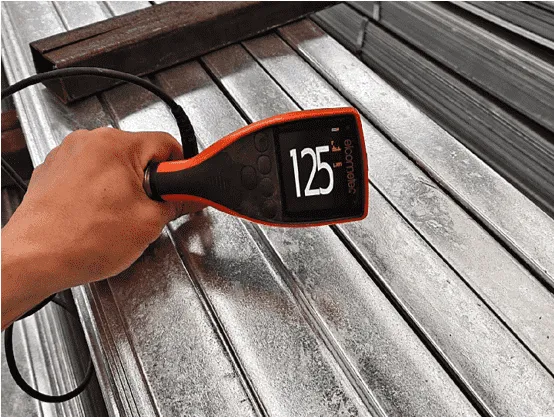
Household vinegar (an acetic acid solution)
can effectively remove light galvanized layers. Soak the steel in vinegar for
several hours, then scrub the surface with a brush.
Suitable for: Light galvanizing, DIY, or
experimental applications.
Disadvantages: Low efficiency, not suitable
for thick coatings.
Hydrochloric acid is a fast and effective
galvanizing remover. While highly effective, strict safety precautions must be
taken. This method produces hydrogen gas, posing an explosion risk.
Always work outdoors in a well-ventilated
area. If in doubt, consult a professional for safety.
Citral acid is a milder galvanizing
remover. Mix it with water to make an immersion solution, especially suitable
for thinner coatings.
Grinding is an effective method for
removing galvanized layers, and the grinding process can be precisely controlled.
However, this method generates heat and
metal shavings, so appropriate protective equipment must be worn and good
ventilation ensured to minimize the risk of inhalation.
It is easy to control and simple to
operate.
As with grinding, dust generation is a
concern, so wearing a dust mask and goggles is essential to protect your
health.
Heating the steel to a red-hot state
effectively oxidizes and peels off the galvanized layer.
While this method is fast, there is a risk
of steel deformation and the release of toxic fumes.
Extreme caution is necessary: operate in a
well-ventilated area and wear heat-resistant protective equipment.
This advanced method utilizes an
electrolytic cell to uniformly remove the galvanized layer. The galvanized steel acts
as the anode or cathode, achieving precise removal without damaging the
substrate.
This technology is ideal for parts
requiring a high-quality, smooth surface finish and is therefore the preferred
choice in professional fields.
Working Environment: Operate in a well-ventilated area or outdoors.
Protective Equipment: Wear gloves, goggles, and a mask.
Container: Use a container large enough to
completely submerge the galvanized workpiece.
Fill the container with dilute hydrochloric
acid (10-20% concentration).
Immersion: Immerse the galvanized workpiece in the acid solution. Bubbling indicates that the zinc is dissolving.
Observation: Observe closely. Removal time
depends on the plating thickness and acid concentration.
Neutralization: Add baking soda (sodium bicarbonate) to the acid solution until bubbling stops to neutralize the acid.
Rinsing: Remove the item and rinse
thoroughly with clean water to remove any residual acid.
Drying Process: Allow the item to dry
completely. This prevents moisture retention and reduces the risk of rusting.
Neutral Cleaning: Clean the surface with a neutral solution (such as a diluted alkaline solution or clean water) to remove any residual chemicals.
Passivation: Use passivation processes (such as phosphating) to form a protective coating and improve corrosion resistance.
Re-galvanizing or Coating: If re-galvanizing is required, do so after cleaning and drying. Otherwise, consider applying a protective varnish or primer.
Surface Treatment: For high-quality surface treatment requirements, lightly polish or sand to remove oxides and prepare for coating.
Environmental Storage: Store items in a
dry, well-ventilated place to prevent rapid oxidation or corrosion.
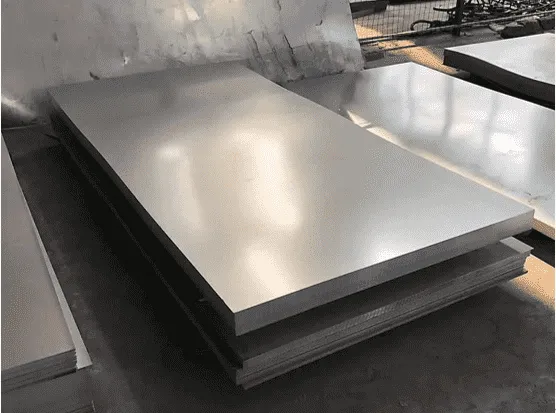
Always wear
appropriate personal protective equipment, such as gloves, goggles, and a mask.
When using chemical or thermal treatment
methods, always ensure good ventilation and avoid inhaling toxic fumes.
Dispose of all waste, including chemical
and metal residues, in accordance with local regulations to prevent
environmental pollution.
Ensure that the selected acid and treatment
method are compatible with the specific type of steel to avoid damaging the
substrate.
Carefully monitor immersion time; excessive
immersion time can lead to substrate corrosion.
Be aware of hydrogen and other harmful
fumes generated during the pickling process.
Store and dispose of chemicals correctly
according to their Safety Data Sheets (SDS).
Conduct initial testing on a small area to
assess the effectiveness of the method.
Dispose of all residues and wastewater
safely to avoid environmental harm.
Yes, sandblasting uses high-pressure
abrasives to remove the galvanized coating, thus effectively removing it.
To protect the steel, the sandblasting
pressure should be maintained at approximately 90 to 100 psi. Always wear
appropriate safety equipment, including a respirator, to avoid inhaling harmful
dust.
Yes, hydrochloric acid can effectively
remove galvanized coating. Use with caution as it produces harmful fumes and
should be operated in a well-ventilated area.
Yes, acetone can clean galvanized steel. It
removes grease and contaminants without affecting the galvanized coating.

Address:1177 Huanhu Road, Yuelu District, Changsha, Hunan, China
 WhatsApp
 WeChat