
 简体中文版
简体中文版

A flange bolt is a fastener specifically designed to connect two flanges. It is cylindrical, threaded at one end and headed at the other; the bolt shank is straight. Bolts are made from a variety of materials, with steel being the most commonly used material in engineering applications. The counterpart to a bolt is a nut, a type of internally threaded fastener. Other common fasteners include screws (including locating screws) and studs.
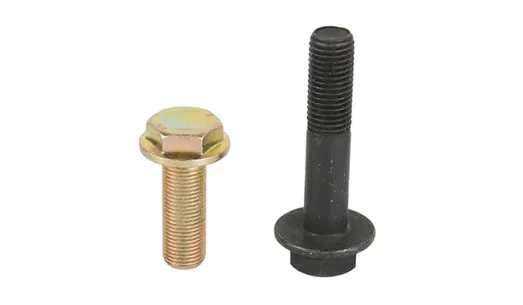
The ASME B16.5 standard specifies the qualified materials for flange bolts to ensure they can withstand harsh industrial environments. Common materials include:
Alloy steel – known for its high strength and high-pressure resistance.
Stainless steel – with excellent corrosion resistance, ideal for chemical and marine applications.
High-strength alloys – such as ASTM A193 B7 or A320 L7, designed for extreme temperature and pressure conditions.
The flange bolt size table provides important information to help engineers and technicians select the appropriate bolts for specific applications. Key parameters include:
Nominal Pipe Diameter (NPS) – a standard size used to identify the diameter of pipes. Flange Class – Pressure rating (e.g., Class 150, Class 300, Class 600), used to determine the strength of the flange.
Bolt Diameter – The diameter of the bolts used to secure the flange.
Bolt Length – For stud bolts, this includes the thread length and any protrusion length required by the nut.
|
150 LB. Flanges |
300 LB. Flanges |
600 LB. Flanges |
||||||||||
|
Nominal Pipe Size |
# Bolts or Studs |
Dia of Bolts or Studs |
Length of Stud |
# Bolts or Studs |
Dia of Bolts or Studs |
Length of Stud |
# Bolts or Studs |
Dia of Bolts or Studs |
Length of Stud |
|||
|
1/16 RF |
RTJ |
1/16 RF |
RTJ |
1/4 RF |
RTJ |
|||||||
|
1/2 |
4 |
0.50 |
2-1/4 |
– |
4 |
0.50 |
2-1/2 |
3 |
4 |
0.50 |
3 |
3 |
|
3/4 |
4 |
0.50 |
2-1/2 |
– |
4 |
0.63 |
3 |
3-1/2 |
4 |
0.63 |
3-1/2 |
3-1/2 |
|
1 |
4 |
0.50 |
2-1/2 |
3 |
4 |
0.63 |
3 |
3-1/2 |
4 |
0.63 |
3-1/2 |
3-1/2 |
|
1-1/4 |
4 |
0.50 |
2-3/4 |
3-1/4 |
4 |
0.63 |
3-1/4 |
3-3/4 |
4 |
0.63 |
3-3/4 |
3-3/4 |
|
1-1/2 |
4 |
0.50 |
2-3/4 |
3-1/4 |
4 |
0.75 |
3-1/2 |
4 |
4 |
0.75 |
4-1/4 |
4-1/4 |
|
2 |
4 |
0.63 |
3-1/4 |
3-3/4 |
8 |
0.63 |
3-1/2 |
4 |
8 |
0.63 |
4-1/4 |
4-1/4 |
|
2-1/2 |
4 |
0.63 |
3-1/2 |
4 |
8 |
0.75 |
4 |
4-1/2 |
8 |
0.75 |
4-3/4 |
4-3/4 |
|
3 |
4 |
0.63 |
3-1/2 |
4 |
8 |
0.75 |
4-1/4 |
4-3/4 |
8 |
0.75 |
5 |
5 |
|
3-1/2 |
8 |
0.63 |
3-1/2 |
4 |
8 |
0.75 |
4-1/4 |
5 |
8 |
0.88 |
5-1/2 |
5-1/2 |
|
4 |
8 |
0.63 |
3-1/2 |
4 |
8 |
0.75 |
4-1/2 |
5 |
8 |
0.88 |
5-3/4 |
5-3/4 |
|
5 |
8 |
0.75 |
3-3/4 |
4-1/4 |
8 |
0.75 |
4-3/4 |
5-1/4 |
8 |
1.00 |
6-1/2 |
6-1/2 |
|
6 |
8 |
0.75 |
4 |
4-1/2 |
12 |
0.75 |
4-3/4 |
5-1/2 |
12 |
1.00 |
6-3/4 |
6-3/4 |
|
8 |
8 |
0.75 |
4-1/4 |
4-3/4 |
12 |
0.88 |
5-1/2 |
6 |
12 |
1.13 |
7-1/2 |
7-3/4 |
|
10 |
12 |
0.88 |
4-1/2 |
5 |
16 |
1.00 |
6-1/4 |
6-3/4 |
16 |
1.25 |
8-1/2 |
8-1/2 |
|
12 |
12 |
0.88 |
4-3/4 |
5-1/4 |
16 |
1.13 |
6-3/4 |
7-1/4 |
20 |
1.25 |
8-3/4 |
8-3/4 |
|
14 |
12 |
1.00 |
5-1/4 |
5-3/4 |
20 |
1.13 |
7 |
7-1/2 |
20 |
1.38 |
9-1/4 |
9-1/4 |
|
16 |
16 |
1.00 |
5-1/4 |
5-3/4 |
20 |
1.25 |
7-1/2 |
8 |
20 |
1.50 |
10 |
10 |
|
18 |
16 |
1.13 |
5-3/4 |
6-1/4 |
24 |
1.25 |
7-3/4 |
8-1/4 |
20 |
1.63 |
10-3/4 |
10-3/4 |
|
20 |
20 |
1.13 |
6-1/4 |
6-3/4 |
24 |
1.25 |
8 |
8-3/4 |
24 |
1.63 |
11-1/4 |
11-1/2 |
|
24 |
20 |
1.25 |
6-3/4 |
7-1/4 |
24 |
1.50 |
9 |
10 |
24 |
1.88 |
13 |
13-1/4 |
|
900 LB. Flanges |
1500 LB. Flanges |
2500 LB. Flanges |
||||||||||
|
Nominal Pipe Size |
# Bolts or Studs |
Dia of Bolts or Studs |
Length of Stud |
# Bolts or Studs |
Dia of Bolts or Studs |
Length of Stud |
# Bolts or Studs |
Dia of Bolts or Studs |
Length of Stud |
|||
|
1/4 RF |
RTJ |
1/4 RF |
RTJ |
1/4 RF |
RTJ |
|||||||
|
1/2 |
4 |
0.75 |
4-1/4 |
4-1/4 |
4 |
0.75 |
4-1/4 |
4-1/4 |
4 |
0.75 |
4-3/4 |
4-3/4 |
|
3/4 |
4 |
0.75 |
4-1/2 |
4-1/2 |
4 |
0.75 |
4-1/2 |
4-1/2 |
4 |
0.75 |
5 |
5 |
|
1 |
4 |
0.88 |
5 |
5 |
4 |
0.88 |
5 |
5 |
4 |
0.88 |
5-1/2 |
5-1/2 |
|
1-1/4 |
4 |
0.88 |
5 |
5 |
4 |
0.88 |
5 |
5 |
4 |
1.00 |
6 |
6 |
|
1-1/2 |
4 |
1.00 |
5-1/2 |
5-1/2 |
4 |
1.00 |
5-1/2 |
5-1/2 |
4 |
1.13 |
6-3/4 |
6-3/4 |
|
2 |
8 |
0.88 |
5-3/4 |
5-3/4 |
8 |
0.88 |
5-3/4 |
5-3/4 |
8 |
1.00 |
7 |
7 |
|
2-1/2 |
8 |
1.00 |
6-1/4 |
6-1/4 |
8 |
1.00 |
6-1/4 |
6-1/4 |
8 |
1.13 |
7-3/4 |
8 |
|
3 |
8 |
0.88 |
5-3/4 |
5-3/4 |
8 |
1.13 |
7 |
7 |
8 |
1.25 |
8-3/4 |
9 |
|
4 |
8 |
1.13 |
6-3/4 |
6-3/4 |
8 |
1.25 |
7-3/4 |
7-3/4 |
8 |
1.50 |
10 |
10-1/4 |
|
5 |
8 |
1.25 |
7-1/2 |
7-1/2 |
8 |
1.50 |
9-3/4 |
9-3/4 |
8 |
1.75 |
11-3/4 |
12-1/4 |
|
6 |
12 |
1.13 |
7-1/2 |
7-3/4 |
12 |
1.38 |
10-1/4 |
10-1/2 |
8 |
2.00 |
13-1/2 |
14 |
|
8 |
12 |
1.38 |
8-3/4 |
8-3/4 |
12 |
1.63 |
11-1/2 |
11-3/4 |
12 |
2.00 |
15 |
15-1/2 |
|
10 |
16 |
1.38 |
9-1/4 |
9-1/4 |
12 |
1.88 |
13-1/4 |
13-1/2 |
12 |
2.50 |
19-1/4 |
20 |
|
12 |
20 |
1.38 |
10 |
10 |
16 |
2.00 |
14-3/4 |
15-1/4 |
12 |
2.75 |
21-1/4 |
22 |
|
14 |
20 |
1.50 |
10-3/4 |
11 |
16 |
2.25 |
16 |
16-3/4 |
– |
– |
– |
– |
|
16 |
20 |
1.63 |
11-1/4 |
11-1/2 |
16 |
2.50 |
17-1/2 |
18-1/2 |
– |
– |
– |
– |
|
18 |
20 |
1.88 |
12-3/4 |
13-1/4 |
16 |
2.75 |
19-1/2 |
20-3/4 |
– |
– |
– |
– |
|
20 |
20 |
2.00 |
13-3/4 |
14-1/4 |
16 |
3.00 |
21-1/4 |
22-1/4 |
– |
– |
– |
– |
|
24 |
20 |
2.50 |
17-1/4 |
18 |
16 |
3.50 |
24-1/4 |
25-1/2 |
– |
– |
– |
– |
A flange is a flat, disc-shaped component with pre-drilled holes evenly distributed on it.
The number of bolts required is always a multiple of 4, such as 4, 8, 12, 16, etc. As flange size and pressure rating increase, the number and diameter of the bolts required also increase.
Tightening the flange bolts generates compressive force, securing the flanges together, usually with a gasket placed between them to form a seal. This design ensures a safe seal for gases, liquids, or other substances under varying pressure and temperature conditions.
Cross-tightening the flange bolts ensures a uniform stress distribution on the sealing surface. Uneven stress on the sealing surface can lead to flange misalignment or gasket extrusion, both of which increase the risk of seal failure.

Address:1177 Huanhu Road, Yuelu District, Changsha, Hunan, China
 WhatsApp
 WeChat