 简体中文版
简体中文版

Size: 1/2”-60” (DN15-DN3000)
Wall thickness: Schedule 10(S) to SCH 16
Pipe flange connection types refer to the different methods used to join pipes, valves, and other equipment through the use of flanges. These connection methods play a critical role in ensuring a secure and leak-tight joint in various industrial applications. Here are some common pipe flange connection types:
|
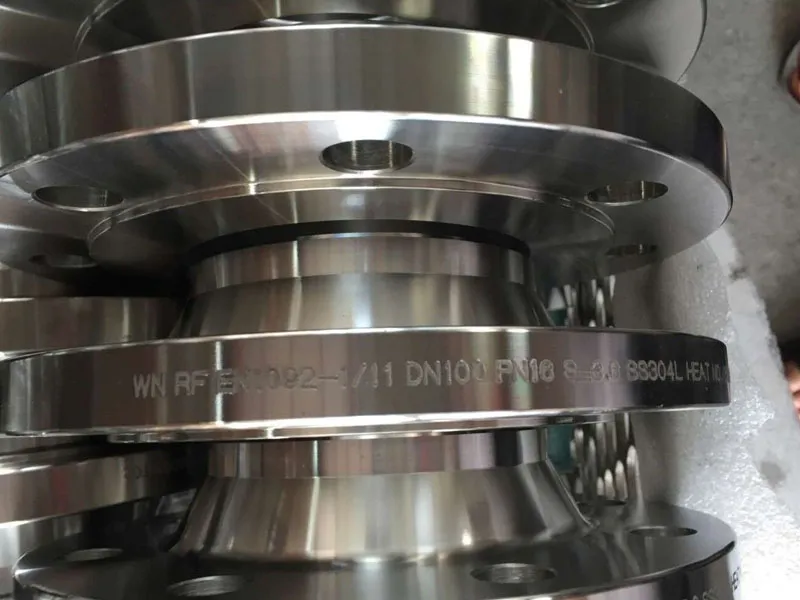
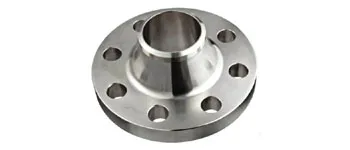
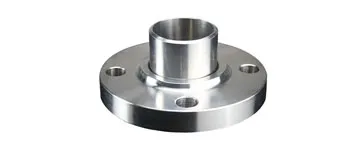
Weld Neck Flange This type of flange has a long tapered hub that gradually merges with the pipe, allowing for a smooth transition of stress from the flange to the pipe. Weld neck flanges are ideal for high-pressure and high-temperature applications, as they provide excellent structural integrity and reduce the risk of leakage.
|
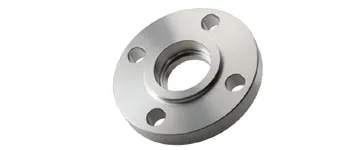
Socket Weld Flange Socket weld flanges are designed to be welded directly to the pipe. They have a socket-like recess on the inside to insert the pipe end. These flanges are suitable for smaller pipe sizes and systems with high pressure or temperature conditions.
|
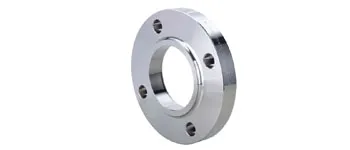
Slip On Flange Slip-on flanges have a slightly larger diameter than the pipe, and they are slid over the pipe before welding. They are easier to align and install, making them popular for applications with lower pressure and temperature requirements.
|
|
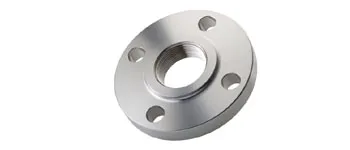
Threaded Flange Threaded flanges have internal threads that allow them to be screwed onto the pipe. These are used for smaller pipe sizes and are often employed in low-pressure systems where welding is not feasible or necessary.
|
Lap Joint Flange Lap joint flanges consist of two parts – the stub end and the backing flange. The stub end is welded to the pipe, while the backing flange is used to bolt the joint together. This type of flange is used in systems that require frequent dismantling.
|
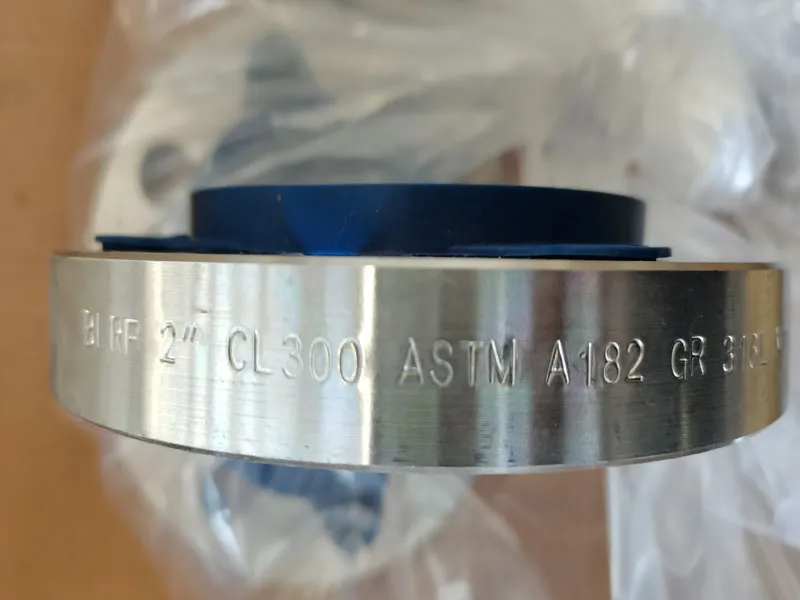
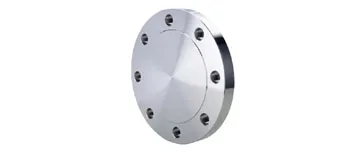
Blind Flange Blind flanges are used to close the end of a piping system. They do not have a center bore and are typically used for maintenance, inspection, or to block off a section of piping.
|

Address:1177 Huanhu Road, Yuelu District, Changsha, Hunan, China
 WhatsApp
 WeChat