
 简体中文版
简体中文版

Seamless steel pipes play a crucial role in industrial production, infrastructure construction, and numerous engineering fields. Their unique structural characteristics, excellent mechanical properties, and wide range of applications make them an indispensable raw material for many industries.
However, long-term use and harsh
environmental conditions often cause varying degrees of damage and wear to
seamless steel pipes, thus affecting their service life and safety.
Therefore, understanding and mastering the
repair and maintenance technology of seamless steel pipes is of great
significance for extending their service life and ensuring engineering safety.
This article will explore the repair and maintenance methods of seamless steel
pipes in depth.
The types of damage to seamless steel pipes
are diverse, mainly including corrosion, wear, cracks, and deformation. These
damages not only reduce the strength and sealing performance of the steel pipe
but may also cause safety hazards.
Corrosion is one of the most common types
of damage to seamless steel pipes. In humid, acidic, or alkaline environments,
the surface of the steel pipe is prone to chemical reactions, leading to
corrosion.
Corrosion not only reduces the wall
thickness and strength of the steel pipe but may also cause perforation and
leakage.
Wear refers to the gradual wear and
thinning of the surface of a seamless steel pipe during use due to friction.
The degree of wear depends on the magnitude
of the friction force, the duration of friction, and the material of the steel
pipe. Severely worn steel pipes will experience a significant decrease in
strength and sealing performance.
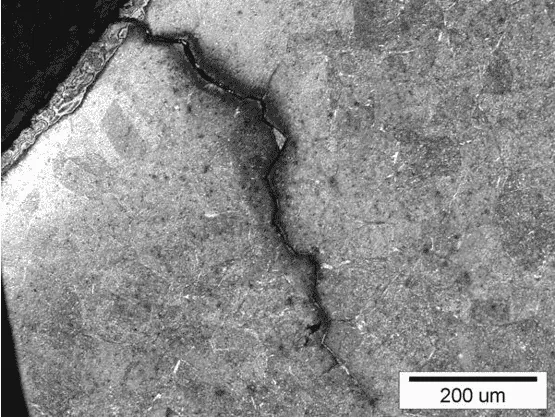
Cracks are another common type of damage to
seamless steel pipes. Cracks may be caused by stress concentration, fatigue,
impact, or improper heat treatment.
The presence of cracks significantly
reduces the strength and toughness of the steel pipe, and may even lead to
fracture.
Deformation refers to the change in shape
of a seamless steel pipe during use due to external forces or temperature
changes.
Deformation not only affects the geometric
dimensions and sealing performance of the steel pipe, but may also cause stress
concentration and cracks.
Different repair techniques are required
for different types of damage to seamless steel pipes. The following are some
common seamless steel pipe repair methods:
Welding repair is a commonly used method
for repairing seamless steel pipes. For localized damage such as cracks and
perforations, welding techniques can be used for repair.
Welding repair offers advantages such as
high strength, good sealing, and wide applicability. However, the welding
process generates high temperatures and stress, requiring strict control of
welding parameters and processes to avoid secondary damage to the steel pipe.
Spray coating repair is a method suitable
for repairing corrosion and wear on the surface of seamless steel pipes. By
spraying corrosion-resistant and wear-resistant coatings, the protective layer
on the steel pipe surface can be restored, improving its corrosion resistance
and wear resistance.
Spray coating repair offers advantages such
as convenient construction, low cost, and wide applicability. However, the
thickness and adhesion of the sprayed layer need to be strictly controlled to
ensure the repair effect.
Wrapping repair is a method suitable for
repairing large-area damage or deformation of seamless steel pipes. By wrapping
corrosion-resistant, high-strength materials (such as fiberglass, carbon fiber,
etc.), the shape and strength of the steel pipe can be restored.
Wrapping repair offers advantages such as
fast construction speed, no production downtime, and the ability to operate
under pressure. However, wrapping repair requires strict control of the
thickness and tension of the wrapping layer to ensure the repair effect.
Tube expansion repair is a method suitable
for repairing deformed and reduced-diameter seamless steel pipes. By using
expansion tools to partially or completely expand the steel pipe, its original
size and shape can be restored.
Tube expansion repair has advantages such
as convenient construction, no production shutdown required, and on-site
operation. However, the expansion pressure and expansion amount must be
strictly controlled during the expansion process to avoid excessive damage to
the steel pipe.
Composite material repair is a new type of
seamless steel pipe repair method. By bonding composite materials (such as
epoxy resin, glass fiber, etc.) to the damaged area of the steel
pipe, a new protective layer can be formed, improving the strength and corrosion
resistance of the steel pipe.
Composite material repair has advantages
such as convenient construction, low cost, and wide applicability. However, the
performance and lifespan of the composite material need to be strictly
controlled to ensure the repair effect.
To solve the problem of repairing damaged
seamless steel pipes, experts at home and abroad have developed a brand-new
non-destructive repair method—composite material
reinforcement technology.
Composite materials are artificially
synthesized high-strength materials, made up of many materials with different
structures bonded together through specific processes. It boasts advantages
such as light weight, high strength, corrosion resistance, and wear resistance,
meeting the requirements of harsh operating environments.
1. For damaged seamless steel pipes,
cleaning, coating, and environmental remediation are necessary to achieve
optimal construction conditions;
2. Apply a specialized composite material
around the damaged area, simultaneously strengthening the pipe's support to
achieve reinforcement;
3. Through a specific pressure control
system, strengthen the adhesion between the composite material and the pipe,
completing non-destructive repair of the pipeline.
Composite material reinforcement technology
is applicable to many fields, such as petrochemicals, water conservancy, and
heating. It is important to note that this technology is not suitable for pipes
with excessively large damaged areas or pipes with insufficient strength.
Besides repair techniques, the maintenance
of seamless steel pipes is equally important. Regular maintenance and upkeep
can extend the service life of the steel pipes and ensure their normal
operation. The following are some common seamless steel pipe maintenance
methods:
Regular inspection is the foundation of
seamless steel pipe maintenance. Regularly inspecting the appearance, wall
thickness, and sealing performance of steel pipes can help identify and address
potential safety hazards promptly.
It is recommended to conduct a
comprehensive inspection at least once a year, with a specific inspection plan
developed based on actual conditions.
Cleanliness and maintenance are crucial for
maintaining the good condition of seamless steel pipes. Regularly removing
dirt, grease, and corrosion products from the pipe surface can slow down
corrosion and extend service life.
Additionally, painting or spraying
protective agents can improve the pipe's corrosion resistance and aesthetics.
Corrosion protection treatment is an
effective method for preventing corrosion of seamless steel pipes. Using
corrosion-resistant coatings, hot-dip galvanizing, sandblasting, and other
anti-corrosion technologies can form a protective layer on the pipe surface,
isolating it from contact with corrosive media.
It is recommended to perform anti-corrosion
treatment before putting new steel pipes into use, with a specific
anti-corrosion plan developed based on actual conditions.
Overloading is a major cause of damage to
seamless steel pipes. Therefore, when using seamless steel pipes, their design
parameters and operating range should be strictly adhered to, and overloading
should be avoided. Simultaneously, monitoring and inspection of steel pipes
should be strengthened to promptly detect and address any abnormalities.
Proper storage and transportation are
crucial for protecting seamless steel pipes from damage. When storing steel
pipes, suitable sites and environmental conditions should be selected to avoid
direct sunlight, rain, and moisture.
During transportation, effective securing
and protective measures should be taken to prevent the steel pipes from being
impacted or squeezed.
Seamless steel pipes are one of the
important raw materials in industrial production. Their repair and maintenance
are of great significance for extending their service life and ensuring project
safety.
By understanding and mastering the types
and causes of damage to seamless steel pipes, repair techniques, and
maintenance methods, we can better address the problems and challenges that may
be encountered during the use of seamless steel pipes.
At the same time, we should also pay
attention to the details and techniques in actual operation to ensure the
quality and effectiveness of repair and maintenance work.

Address:1177 Huanhu Road, Yuelu District, Changsha, Hunan, China
 WhatsApp
 WeChat